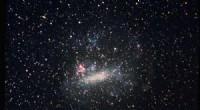
* Larger aperture = More light: A larger aperture allows more light to pass through it and reach the focal point, where the image is formed. This is because the area of a circle (which represents the aperture) increases with the square of its diameter. A telescope with a 10-inch aperture gathers 4 times as much light as a telescope with a 5-inch aperture.
* Light Gathering Power: This is a measure of how much light a telescope can collect. It's directly proportional to the area of the aperture.
While the aperture is the most important factor, here are some other things that can influence the amount of light entering a telescope:
* Secondary Mirror (for reflecting telescopes): A secondary mirror can partially block some incoming light, especially in telescopes with a large central obstruction.
* Filters: Filters are used to block certain wavelengths of light. While they don't affect the amount of light entering the telescope, they can limit the amount of light that reaches the detector.
* Atmospheric Conditions: Clouds, haze, and light pollution can all reduce the amount of light that reaches the telescope.
In summary, the aperture is the primary control for the amount of light entering a telescope. It's crucial for determining a telescope's light-gathering power and its ability to resolve faint objects.