Here's a breakdown:
What microscopes CAN see:
* Light microscopes: These are the most common type and can magnify objects up to 1000x. They can see things like:
* Cells: Bacteria, plant cells, animal cells
* Organelles: The internal structures of cells (like mitochondria and nuclei)
* Small organisms: Protozoa, algae, some fungi
* Dust mites: These are tiny creatures that live in your house dust.
* Pollen: The tiny grains that plants use to reproduce.
* Electron microscopes: These use a beam of electrons instead of light to produce images. They can magnify objects up to millions of times! They can see things like:
* Viruses: These are much smaller than bacteria and are only visible with an electron microscope.
* Atoms: While you can't see individual atoms, you can see their arrangement in molecules.
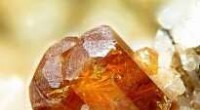
* Crystalline structures: The detailed structure of materials like metals and minerals.
What microscopes CANNOT see:
* Subatomic particles: Things like protons, neutrons, and electrons are too small to be seen with even the most powerful microscopes.
In summary:
Microscopes can see a huge range of particles, from the microscopic world of cells and bacteria to the incredibly tiny world of viruses. However, they can't see things smaller than atoms.