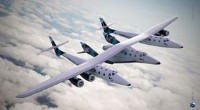
* Aircraft Type: Different airplanes are designed for different purposes and have different capabilities. A small private plane has a much lower speed limit than a commercial airliner, and a fighter jet far surpasses both.
* Operating Conditions: Factors like altitude, weather, and the specific flight route all influence the safe speed of an airplane.
* Regulatory Limits: Aviation authorities set regulations for safe air traffic management and airspace usage. These regulations often include speed limits for specific airspace classes and situations.
Instead of a single speed limit, consider these:
* Maximum Operating Speed (VMO or VNE): This is the maximum speed an aircraft can safely operate at, regardless of its design limitations. Exceeding this speed could lead to structural damage.
* Maximum Mach Number (Mmo or Mn): For high-speed aircraft, the maximum speed is often expressed as a Mach number (the ratio of the aircraft's speed to the speed of sound).
* Cruise Speed: Commercial airliners typically cruise at speeds between 450 and 550 miles per hour (724 to 885 km/h).
To summarize, there isn't a single speed limit for all planes. The speed an airplane can fly depends on its design, the specific operating conditions, and the regulations in place.