1. Gravity: Gravity is the force that pulls everything towards everything else. The Sun's massive gravity pulls on Earth, keeping it in orbit. The Earth's gravity pulls on the Sun, though this effect is much smaller due to Earth's smaller mass.
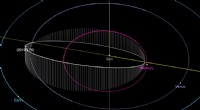
2. Inertia: Inertia is the tendency of an object to resist changes in its motion. The Earth is constantly moving in its orbit around the Sun. This motion creates an outward force that counteracts the Sun's inward gravitational pull.
3. Nuclear Fusion in the Sun: The Sun doesn't collapse due to its own gravity because it's constantly generating energy through nuclear fusion in its core. This energy creates outward pressure that counteracts the inward pull of gravity.
Think of it like this: Imagine you're holding a ball on a string and spinning it around. The string represents gravity, pulling the ball towards your hand. The ball's motion represents inertia, keeping it from falling into your hand. The Sun is like your hand, and Earth is like the ball, constantly orbiting due to the balance of these forces.
Here's why the Earth doesn't collapse on itself:
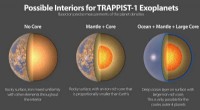
* Solid Structure: Earth's solid core and mantle provide structural support, preventing the planet from collapsing inward.
* Internal Pressure: The Earth's internal pressure, generated by the heat from its core, also contributes to its stability.
In summary, the Sun and Earth are stable because of a delicate balance between gravity and other forces:
* Sun: Nuclear fusion creates outward pressure that counteracts gravity.
* Earth: Inertia and its solid structure prevent it from collapsing into the Sun.