The Basics
* Electromagnetic Spectrum: Sun radiation is a form of electromagnetic radiation, which travels in waves. It encompasses a wide range of wavelengths, including visible light, infrared radiation, ultraviolet radiation, and others.
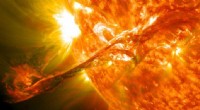
* Energy Source: The Sun's energy is generated through nuclear fusion, where hydrogen atoms fuse to form helium, releasing enormous amounts of energy.
* Travel Time: It takes approximately 8 minutes for sunlight to reach Earth.
Types of Solar Radiation
* Visible Light: The portion of the electromagnetic spectrum that our eyes can see. It's responsible for the colors we perceive.
* Infrared Radiation: We experience this as heat. It's responsible for warming the Earth's surface and atmosphere.
* Ultraviolet Radiation (UV): Carries more energy than visible light. The Earth's atmosphere filters out much of it, but some reaches the surface, leading to sunburns and skin cancer.
Impact on Earth
* Climate and Weather: Solar radiation is the primary energy source driving Earth's climate system. It influences weather patterns, temperature variations, and ocean currents.
* Photosynthesis: Plants use solar radiation to convert carbon dioxide and water into food, providing the basis for most food chains.
* Solar Power: Humans harness solar radiation to generate electricity through photovoltaic cells.
Other Important Points
* Solar Constant: The amount of solar radiation received at the top of Earth's atmosphere is called the solar constant. It's about 1,361 watts per square meter.
* Solar Variability: The Sun's output of radiation isn't perfectly constant. It experiences cycles of variations, which can influence Earth's climate over long periods.
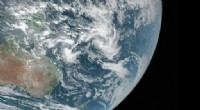
* Atmospheric Absorption: The Earth's atmosphere absorbs and reflects some solar radiation, preventing all of it from reaching the surface. This is important for regulating temperatures.
Let me know if you'd like to explore any of these points in more detail!