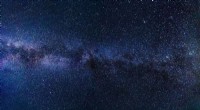
* Starlight IS bright enough to see things by. In fact, astronauts on the Moon could see the stars during the day, even with the Sun shining brightly!
* The issue is not the lack of light, but the lack of contrast. In the vast emptiness of space, there's nothing for the light to reflect off of.
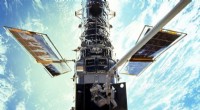
Imagine this: You're wearing a white spacesuit against a black background. If the only light source is the faint starlight, you won't see yourself clearly.
Here's why:
* Your spacesuit is essentially black in the absence of external light. It doesn't generate its own light, and starlight is too weak to illuminate it significantly.
* The starlight is scattering off your spacesuit, but it's not reflecting back into your eyes. There's no surface to reflect the light.
You could see yourself in space in a few ways:
* Using a light source: A flashlight, a lamp inside your helmet, or even the reflected light from Earth would illuminate your spacesuit and allow you to see it.
* Being close to a bright object: A nearby star, planet, or spacecraft would cast enough light to make your spacesuit visible.
So, while you could see the stars in deep space, you likely wouldn't be able to see yourself clearly because of the lack of contrast.