Key Characteristics:
* Where We Live: This is the layer where we live, breathe, and experience weather.
* Temperature Profile: Temperatures generally decrease with altitude, becoming colder as you ascend. This is because the troposphere is heated from below by the Earth's surface.
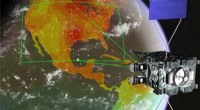
* Weather Phenomena: Nearly all weather events (rain, snow, clouds, storms) occur within the troposphere.
* Air Density: The troposphere contains most of the atmosphere's mass and is the densest layer.
* Composition: The troposphere is primarily composed of nitrogen (78%), oxygen (21%), and argon (1%), along with trace amounts of other gases like carbon dioxide and water vapor.
Importance of the Troposphere:
* Life Support: The troposphere provides the breathable air and the temperature range necessary for life on Earth.
* Climate Regulation: The troposphere plays a crucial role in regulating Earth's temperature through greenhouse gas effects and cloud formation.
* Weather Patterns: The interaction of air, water, and sunlight within the troposphere creates the weather patterns we experience.
Tropopause:
* The top boundary of the troposphere is known as the tropopause.
* It acts as a barrier between the troposphere and the next layer, the stratosphere.
Things to Remember:
* The height of the troposphere varies depending on latitude and season. It is generally higher at the equator and lower at the poles.
* The tropopause is higher in summer than in winter.
Let me know if you have any other questions about the troposphere!