* Friction: As the meteoroid, a small piece of rock or dust, hurtles through the atmosphere at extremely high speeds (typically tens of thousands of miles per hour), it experiences intense friction with the air molecules. This friction generates immense heat.
* Air Compression: The meteoroid's high speed compresses the air in front of it, creating a shock wave. This compression also contributes to the rise in temperature.
What happens to the heat:
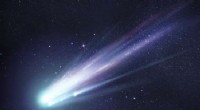
* Incandescence: The intense heat causes the meteoroid's surface to vaporize, along with some of the surrounding air. This vaporized material glows brightly, creating the visible streak of light we call a meteor.
* Ionization: The high temperatures also ionize the air molecules, causing them to emit light. This adds to the overall brightness of the meteor.
The color of the streak:
The color of the meteor depends on the composition of the meteoroid and the temperature it reaches:
* Yellow-white: Common for most meteors, indicating high temperatures.
* Blue-green: Can indicate the presence of magnesium or calcium.
* Red: Could be caused by iron or nickel.
* Orange: May indicate the presence of sodium.
In summary: The bright streak of light we observe as a meteor is a result of the intense heat generated by friction and air compression as the meteoroid enters the atmosphere. This heat causes the meteoroid to vaporize, the air to ionize, and both to emit light.