1. Space Weather and Satellite Operations:
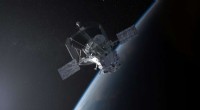
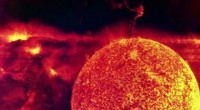
* Space Weather Impacts: The upper atmosphere is where the Earth's magnetic field interacts with the solar wind, creating space weather. This can cause disturbances like geomagnetic storms that disrupt satellite communications, navigation systems (GPS), power grids, and even endanger astronauts on the International Space Station.
* Satellite Function: Understanding upper atmospheric conditions is crucial for designing and operating satellites. Variations in density, temperature, and charged particles can affect satellite orbits, performance, and even their lifespan.
2. Climate Change and Global Weather:
* Ozone Layer: The upper atmosphere is home to the ozone layer, which shields us from harmful ultraviolet radiation. Changes in upper atmospheric conditions can impact ozone levels, directly affecting our climate and health.
* Climate Modelling: Understanding the dynamics of the upper atmosphere is essential for accurate climate models. This region plays a role in atmospheric circulation, heat transport, and the global distribution of weather patterns.
* Extreme Weather Events: The upper atmosphere can influence the development and intensity of severe weather events like hurricanes, tornadoes, and heat waves. Monitoring changes in this region can provide valuable insights for predicting these events.
3. Atmospheric Composition and Chemistry:
* Air Pollution: The upper atmosphere acts as a sink for pollutants like greenhouse gases, aerosols, and ozone-depleting substances. Studying these processes helps us understand their impact on the environment and human health.
* Atmospheric Chemistry: The upper atmosphere is a complex environment with a wide range of chemical reactions taking place. Scientists study these reactions to understand atmospheric composition, climate change, and the formation of clouds.
4. Research and Exploration:
* Scientific Curiosity: The upper atmosphere is a fascinating and dynamic region that presents numerous scientific mysteries. Understanding this region pushes the boundaries of our knowledge about Earth and its environment.
* Space Exploration: Studying the upper atmosphere provides insights into the conditions encountered by spacecraft during launch and re-entry. This knowledge is essential for designing and developing safe and reliable space exploration missions.
In conclusion, the upper atmosphere is a crucial part of Earth's system with significant implications for our lives and future. Scientists are actively researching this region to better understand its dynamics, predict space weather events, mitigate climate change, and advance our understanding of the universe.