1. No Radio Communication:
The ionosphere reflects radio waves, making long-distance communication possible. Without it, radio waves would travel straight into space, making it impossible to use radio for communication, navigation, or broadcasting. This would severely impact everything from emergency services and aviation to everyday activities like listening to the radio.
2. Increased Radiation Exposure:
The ionosphere acts as a shield, absorbing harmful radiation from the sun, like the solar wind. Without this shield, Earth's surface would be bombarded with significantly more radiation, posing serious health risks to humans and animals. This would lead to increased rates of cancer and other radiation-related illnesses.
3. Disrupted Satellite Operations:
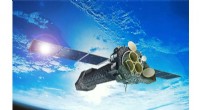
The ionosphere can interfere with satellite signals, particularly during periods of high solar activity. While this can cause disruptions, it also allows for certain types of satellite communication. Without the ionosphere, satellite signals would be more susceptible to interference, leading to unreliable communications and navigation systems.
4. Changes in Climate:
The ionosphere plays a role in atmospheric circulation and weather patterns. Its absence would likely lead to significant changes in global climate, potentially impacting precipitation, temperature, and wind patterns.
5. Loss of Auroras:
The auroras, caused by charged particles from the sun interacting with the Earth's magnetic field and atmosphere, are a beautiful spectacle. Without the ionosphere, these stunning light displays would cease to exist.
In short, the absence of the ionosphere would significantly impact life on Earth, making it a much less hospitable environment for humans and other living organisms. It would disrupt communication, increase radiation exposure, cause climate changes, and eliminate the beauty of the aurora borealis.