Temperature: Titan's average surface temperature is a frigid -179°C (-290°F). This makes it the coldest known moon in the solar system.
Atmosphere: Titan has a dense atmosphere, mostly composed of nitrogen (98%), with traces of methane (1.4%) and other hydrocarbons. This atmosphere is thicker than Earth's, about 1.5 times denser.
Weather:
* Methane rain and snow: Titan experiences a methane cycle similar to Earth's water cycle. Methane clouds form, rain down as liquid methane, and can even form snow.
* Wind: Winds can be strong, blowing methane clouds across the surface.
* Seasonal changes: Titan has a 29.5-year long orbit around Saturn, leading to significant seasonal changes. These changes affect the methane cycle and can create massive storms.
Surface:
* Liquid methane lakes and seas: Titan's surface is dotted with lakes and seas filled with liquid methane and ethane.
* Cryovolcanoes: Titan has cryovolcanoes that erupt water ice, ammonia, and methane.
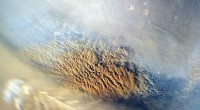
* Dunes and mountains: Titan's surface also features vast plains of sand dunes and mountains.
Other interesting facts:
* Thick haze: Titan's atmosphere is so thick that it creates a hazy orange color that obscures the surface.
* Possible subsurface ocean: Scientists believe that Titan may have a subsurface ocean of water.
Overall, Titan's climate is incredibly unique and fascinating. The presence of liquid methane and an active weather cycle makes it the only known celestial body besides Earth that has stable liquid on its surface. This makes Titan a prime target for scientists studying the potential for life beyond Earth.