Meteorological instruments are tools that measure and record atmospheric conditions to help us understand and predict the weather. They are essential for everything from daily forecasts to climate research.
Here are some of the most common meteorological instruments:
Measuring Temperature:
* Thermometer: Measures air temperature.
* Thermograph: Records temperature changes over time.
* Maximum/Minimum Thermometer: Records the highest and lowest temperatures during a period.
Measuring Humidity:
* Hygrometer: Measures the amount of moisture in the air.
* Psychrometer: Uses two thermometers to measure relative humidity.
* Dew Point Hygrometer: Measures the temperature at which water vapor in the air will condense.
Measuring Wind:
* Anemometer: Measures wind speed.
* Wind Vane: Shows wind direction.
* Aerovane: Combines anemometer and wind vane to measure both speed and direction.
Measuring Precipitation:
* Rain Gauge: Measures the amount of liquid precipitation.
* Snow Gauge: Measures the amount of snowfall.
* Tipping Bucket Rain Gauge: Automatically records rainfall amounts.
Measuring Atmospheric Pressure:
* Barometer: Measures atmospheric pressure.
* Barograph: Records pressure changes over time.
Measuring Solar Radiation:
* Pyranometer: Measures solar radiation received on a horizontal surface.
* Pyrheliometer: Measures direct solar radiation from the sun.
Other Instruments:
* Ceilometer: Measures cloud base height.
* Visibility Meter: Measures horizontal visibility.
* Lightning Detector: Detects lightning strikes.
* Weather Radar: Tracks precipitation and other weather phenomena.
Modern Technology:
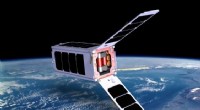
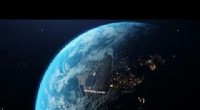
* Weather Satellites: Provide global images of the atmosphere.
* Weather Balloons: Release instruments into the atmosphere to measure temperature, humidity, and wind.
* Weather Apps: Use data from meteorological instruments and satellites to provide real-time weather information.
Uses of Meteorological Instruments:
* Weather Forecasting: Predicting future weather conditions.
* Climate Monitoring: Tracking long-term changes in weather patterns.
* Agriculture: Planning planting and harvesting schedules.
* Aviation: Ensuring safe air travel.
* Transportation: Planning road conditions and traffic flow.
* Public Safety: Warning of severe weather events.
These are just a few examples of the many meteorological instruments used today. They play a vital role in our understanding of the weather and help us stay safe and informed.