Inner Planets (Terrestrial)
* Mercury: Smallest planet in our solar system, about 0.055 times the mass of Earth.
* Venus: Similar in size to Earth, about 0.815 times the mass of Earth.
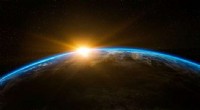
* Earth: The largest of the inner planets, with a diameter of 12,742 km.
* Mars: About half the size of Earth, with a diameter of 6,779 km.
Gas Giants
* Jupiter: The largest planet in our solar system, with a diameter of 142,984 km (over 11 times Earth's diameter) and a mass 317 times that of Earth.
* Saturn: The second largest planet, with a diameter of 120,536 km (almost 9.5 times Earth's diameter) and a mass 95 times that of Earth.
* Uranus: The third largest, with a diameter of 51,118 km (about 4 times Earth's diameter) and a mass 14.5 times that of Earth.
* Neptune: The fourth largest, with a diameter of 49,528 km (about 3.8 times Earth's diameter) and a mass 17 times that of Earth.
In summary:
* Size: Gas giants are vastly larger than inner planets.
* Mass: Gas giants are significantly more massive than inner planets.
* Composition: Inner planets are primarily composed of rock and metal, while gas giants are primarily composed of hydrogen and helium.
This size difference is mainly due to the different processes that formed these planets early in the solar system's history. The inner planets formed from rocky and metallic materials closer to the sun, while the gas giants formed further out from the sun, where there was a greater abundance of lighter elements like hydrogen and helium.