Key Features:
* Temperature Inversion: Unlike the troposphere where temperature decreases with altitude, the stratosphere experiences a temperature inversion. This means temperature increases with altitude, reaching a maximum around 0°C at the stratopause (boundary between the stratosphere and mesosphere). This temperature increase is due to the absorption of ultraviolet (UV) radiation from the sun by the ozone layer.
* Ozone Layer: This is the most important feature of the stratosphere. Ozone (O3) molecules absorb most of the sun's harmful UV radiation, protecting life on Earth from its damaging effects.
* Calm Air: The stratosphere is generally very calm with minimal turbulence and weather activity. This is because there is little vertical mixing of air, unlike the troposphere.
Processes and Phenomena:
* Ozone Formation and Depletion: The stratosphere is where the ozone layer is located. Ozone is formed when UV radiation splits oxygen molecules (O2) into single oxygen atoms (O). These atoms then react with other oxygen molecules to form ozone (O3). While this is a natural process, human-made chemicals like chlorofluorocarbons (CFCs) can deplete the ozone layer by breaking down ozone molecules.
* Atmospheric Circulation: The stratosphere plays a role in global atmospheric circulation patterns. The polar vortex, a persistent area of low pressure over the polar regions, is located in the stratosphere and influences weather patterns in lower altitudes.
* Jet Streams: Powerful winds called jet streams, which are important for global weather patterns, flow within the stratosphere.
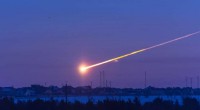
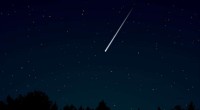
* Meteors: Some meteors burn up in the stratosphere, creating the "shooting stars" we see.
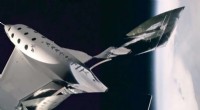
* Aircraft Flight: Commercial aircraft often fly in the lower stratosphere, where the air is calm and thinner, reducing drag.
Overall, the stratosphere is a vital layer of the atmosphere that shields life from harmful UV radiation, plays a role in global atmospheric circulation, and is the location of some fascinating atmospheric phenomena.