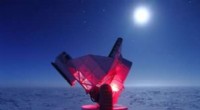
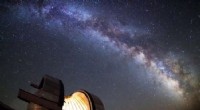
Here's a breakdown of how clear skies occur:
* Low humidity: When the air is dry and contains little water vapor, there's not enough moisture to condense and form clouds.
* Stable atmospheric conditions: A stable atmosphere means that the air is not moving vertically. This prevents rising air, which is necessary for condensation and cloud formation.
* Lack of condensation nuclei: Condensation nuclei are tiny particles like dust, pollen, and sea salt. Without these particles, water vapor can't condense into droplets easily.
* Wind patterns: Strong winds can disperse clouds, creating clear skies.
* High altitude: The higher you go in the atmosphere, the colder it gets. This can sometimes prevent cloud formation due to the lack of moisture at these altitudes.
Essentially, clear skies occur when the atmospheric conditions don't favor the formation of clouds.