1. Analysis of Ancient Rocks and Minerals:
* Isotope ratios: Certain elements have different isotopes (atoms with the same number of protons but different numbers of neutrons). The ratios of these isotopes in ancient rocks and minerals can reveal information about the atmosphere at the time they formed. For example, the ratio of carbon-13 to carbon-12 in ancient sediments can provide insights into the amount of carbon dioxide in the early atmosphere.
* Volcanic gases: Ancient volcanic rocks can trap gases from the time they formed, providing a snapshot of the atmosphere. This is particularly useful for understanding the composition of gases released from the Earth's interior, which would have contributed to the early atmosphere.
2. Study of Ancient Fossils:
* Fossil evidence: The presence or absence of certain types of fossils can reveal information about the atmospheric conditions at the time. For example, the appearance of organisms that require oxygen indicates that oxygen levels in the atmosphere must have been high enough to support their life.
* Chemical signatures: Analysis of organic matter preserved in fossils can reveal clues about the composition of the atmosphere. For example, the presence of certain types of organic molecules can indicate the presence of specific atmospheric gases.
3. Computer Modeling and Simulations:
* Geochemical models: By understanding the Earth's geological processes, scientists can create models that simulate the composition of the early atmosphere. These models take into account factors like volcanic activity, meteor impacts, and the formation of the Earth's oceans.
* Climate models: By inputting data about the early Earth's atmosphere, scientists can create climate models that simulate the Earth's temperature, pressure, and other atmospheric conditions. This can provide further information about the composition of the early atmosphere.
4. Studying Other Planetary Atmospheres:
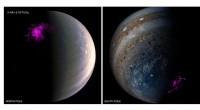
* Comparison to other planets: By studying the atmospheres of other planets in our solar system, scientists can draw comparisons to the early Earth. This can help them understand how atmospheric conditions have changed over time, both on Earth and other planets.
5. Studying Meteorites:
* Meteorites: Certain types of meteorites, known as chondrites, are thought to contain material from the early solar system. Analyzing the composition of these meteorites can provide insights into the composition of the primordial cloud from which the Earth formed.
While these methods don't provide a perfect picture of the early atmosphere, they offer valuable insights into its composition and evolution over time. It's important to note that all of these methods rely on indirect evidence, and the scientific understanding of the early Earth's atmosphere is constantly evolving as new data emerges.