1. Observational Data:
* Surface Observations: These include measurements taken at ground level, such as:
* Temperature: Measured using thermometers, usually in degrees Celsius or Fahrenheit.
* Humidity: Measured using a hygrometer, indicating the amount of moisture in the air.
* Pressure: Measured using a barometer, indicating the weight of the atmosphere above a certain point.
* Wind: Measured using an anemometer (speed) and a wind vane (direction).
* Precipitation: Measured using a rain gauge, recording the amount of rainfall over a specific period.
* Cloud Cover: Observed visually and described using a standardized system (e.g., 1/8, 1/4, 1/2, 3/4, full cover).
* Upper Air Observations: These are taken using weather balloons called radiosondes, which measure:
* Temperature, humidity, and wind speed and direction at different altitudes.
* Pressure and wind profiles, helping to understand atmospheric structure.
2. Remote Sensing:
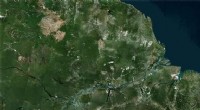
* Satellites: Provide imagery and data about the Earth's atmosphere, including:
* Cloud cover, precipitation, and temperature.
* Sea surface temperature and wind patterns.
* Atmospheric composition and pollution levels.
* Radar: Used to detect precipitation and track storms, providing information about:
* Storm intensity, movement, and precipitation type (rain, snow, hail).
* Wind shear, a potential indicator of severe weather.
3. Numerical Weather Prediction (NWP):
* Computer models: Use mathematical equations to simulate atmospheric processes and predict future weather conditions.
* Input data: NWP models rely on observational data from surface stations, satellites, and other sources to provide initial conditions.
* Outputs: Models generate forecasts of various weather variables, including temperature, precipitation, wind, and cloud cover.
4. Meteorological Language:
* Specialized vocabulary: Scientists use precise terms to describe weather phenomena, such as:
* Fronts: Boundaries between different air masses, often associated with weather changes.
* High and low pressure systems: Associated with different weather patterns.
* Jet streams: Bands of strong winds high in the atmosphere, influencing weather patterns.
* Thunderstorms, tornadoes, hurricanes, and other severe weather events: Each with specific characteristics and potential dangers.
5. Data Visualization:
* Maps, charts, and graphs: Scientists use these tools to represent and interpret weather data, making it easier to understand and communicate to the public.
6. Weather Reports:
* Forecasts: Scientists synthesize data and model outputs to provide forecasts for various timeframes (short-term, medium-term, long-term).
* Warnings and advisories: Issued when severe weather events are anticipated, alerting the public to potential hazards.
By combining all these elements, scientists provide a comprehensive understanding of weather, helping to predict future conditions and protect human life and property.