1. Type of Radiation:
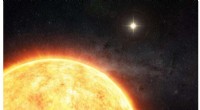
* Sun: The Sun emits primarily electromagnetic radiation, with a peak in the visible light spectrum. It also emits significant amounts of ultraviolet (UV), infrared (IR), and X-rays.
* Earth: Earth emits primarily infrared radiation, a form of heat radiation, due to its lower temperature compared to the Sun.
2. Wavelength:
* Sun: The Sun's radiation spans a wide range of wavelengths, from short-wavelength X-rays to long-wavelength radio waves. The peak of the solar spectrum falls in the visible light range, which is why we see the Sun as white.
* Earth: The Earth's radiation is primarily in the infrared spectrum, which is invisible to the human eye.
3. Temperature:
* Sun: The Sun's surface temperature is about 5,500°C, giving it a very high energy output.
* Earth: The Earth's surface temperature is much lower, averaging about 15°C. This results in a lower energy output, primarily in the form of infrared radiation.
4. Intensity:
* Sun: The Sun's radiation intensity is incredibly high, reaching the Earth at an average of 1,361 watts per square meter (solar constant).
* Earth: The Earth's radiation intensity is much lower, being about a thousand times weaker than the Sun's radiation.
5. Energy Source:
* Sun: The Sun's radiation is produced by nuclear fusion reactions in its core, converting hydrogen into helium and releasing immense energy.
* Earth: The Earth's radiation is primarily due to the absorption of solar radiation and the re-emission of that energy as heat.
In summary:
The Sun emits a powerful, diverse spectrum of electromagnetic radiation due to its high temperature and nuclear fusion processes. The Earth, in contrast, emits primarily infrared radiation due to its lower temperature and absorption of solar energy. This difference in radiation is crucial for maintaining the Earth's energy balance and supporting life.