1. Tectonics: This refers to the movement of the Earth's crust and upper mantle. Plate tectonics is a key driver of Earth's surface changes, causing earthquakes, volcanoes, mountain building, and the formation of ocean basins. While other terrestrial planets may have experienced tectonic activity in the past, Earth is the only one that currently has active plate tectonics.
2. Erosion: This is the process by which rocks and soil are broken down and transported by wind, water, ice, and gravity. Erosion sculpts landscapes, carving canyons, shaping mountains, and creating fertile plains. It's a constant process that continually reshapes the surface of planets.
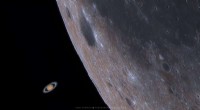
3. Impact Cratering: This is the process of meteoroids, asteroids, and comets striking a planet's surface. Impact craters are a prominent feature on many terrestrial planets, particularly those with thin or nonexistent atmospheres. Impacts can range from tiny pits to massive basins, and can significantly alter the surface geology.
4. Volcanism: The eruption of molten rock (magma) from a planet's interior onto its surface is known as volcanism. Volcanoes can create mountains, plains, and even entire islands. Volcanic eruptions release gases and particles into the atmosphere, which can have significant effects on climate.
These are just a few of the many processes that shape the surfaces of terrestrial planets. The relative importance of each process varies from planet to planet, depending on factors such as size, internal structure, atmosphere, and proximity to the Sun.