Similarities:
* Composition: Both are composed of rock, dust, and ice.
* Orbiting the Sun: Both orbit the Sun, but their orbits are different.
* Remnants of the Early Solar System: Both are remnants of the early solar system, formed from the same material.
* Potential Hazards: Both can pose potential hazards to Earth, though the likelihood is greater for asteroids.
Differences:
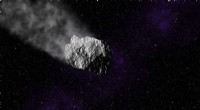
* Composition: Comets have a higher percentage of ice and volatile compounds, while asteroids are mainly composed of rock and metal.
* Orbit: Asteroids generally have more circular orbits in the asteroid belt between Mars and Jupiter, while comets have more elliptical orbits that can extend far beyond the outer planets.
* Appearance: Comets develop a distinctive tail of gas and dust when they approach the Sun, while asteroids do not.
* Formation: Comets are thought to have formed in the outer solar system, while asteroids formed in the inner solar system.
Here's a simple analogy: Think of comets as "dirty snowballs" and asteroids as "rocky rubble piles."
In short, both comets and asteroids are remnants of the early solar system, but comets are more icy and have more eccentric orbits, while asteroids are rockier and have more circular orbits.