Here's a breakdown:
* Earth's atmosphere is constantly moving: Air currents, temperature variations, and turbulence cause pockets of air with different densities.
* Light bends: When starlight enters our atmosphere, it passes through these varying density pockets. This causes the light to bend, or refract, in different directions.
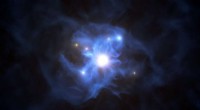
* The bending is dynamic: Because the air is constantly moving, the bending of light is constantly changing. This results in the apparent flickering or twinkling of the stars.
Think of it like this: Imagine a tiny flashlight shining through a shimmering pool of water. The light will dance and flicker as it passes through the water's shifting surface.
Additional factors that contribute to twinkling:
* Distance: Stars are incredibly far away, so even a small change in the direction of their light can make them appear to twinkle.
* Brightness: Brighter stars twinkle less because their light is strong enough to overcome the effects of atmospheric turbulence.
Why planets don't twinkle:
Planets are much closer to us than stars. Their light is less affected by atmospheric turbulence, so they appear as steady points of light.
Let me know if you have any other astronomy questions!