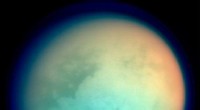
* Astrobiology: This interdisciplinary field investigates the origins, evolution, and distribution of life in the universe, including on Earth and beyond. It draws heavily from biology, geology, and astronomy, focusing on potentially habitable environments on other planets and moons.
* Geomicrobiology: This branch studies the interactions between microorganisms and Earth's geological processes. It explores how microbes influence mineral formation, soil development, and even the planet's climate.
* Planetary science: This field studies planets, moons, asteroids, and other celestial bodies in our solar system and beyond. As we explore further into space, new discoveries and data lead to the development of specialized branches within planetary science.
* Paleoclimatology: This area focuses on understanding past climate change through the study of ancient geological records, like ice cores and sediment layers. It provides crucial insights into long-term climate patterns and helps predict future climate scenarios.
Ultimately, "newest" can be subjective. What matters is that Earth science is a dynamic field with exciting new developments constantly emerging. These developments push the boundaries of our understanding and help us address critical challenges like climate change and resource management.