* Tropos (Greek): Means "turning" or "changing." This refers to the constant mixing and churning of air in this layer, driven by weather patterns.
* Sphere: Refers to a layer or region.
So, Troposphere literally means "the turning sphere."
Key Characteristics of the Troposphere:
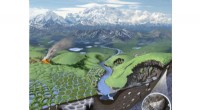
* Location: Extends from the Earth's surface up to about 7-15 km (4-9 miles) high.
* Weather: The troposphere is where all our weather occurs, driven by temperature differences, humidity, and air pressure.
* Temperature: Temperature decreases with altitude. This is why mountaintops are colder than valleys.
* Composition: Contains the majority of the atmosphere's mass, primarily nitrogen (78%), oxygen (21%), and other gases.
* Life: The troposphere is where we live and where most of Earth's living organisms exist.
Why is it important?
The troposphere is crucial for life on Earth as it's where we breathe, where our weather happens, and where most of our planet's energy exchange takes place.