Here's a breakdown of the most common horizons:
* O Horizon: This is the uppermost layer, primarily composed of organic matter like leaves, twigs, and decomposing plant and animal remains. It's often dark and rich in nutrients.
* A Horizon: This layer, also known as topsoil, is a mix of mineral soil and organic matter from the O horizon. It's typically the most fertile layer and where most plant roots grow.
* E Horizon: This layer is characterized by the loss of minerals and organic matter, often leaving behind a lighter-colored layer. It's often found in areas with high rainfall and leaching.
* B Horizon: This is the subsoil, enriched with minerals that have been leached from the layers above. It's typically denser and more compact than the A horizon.
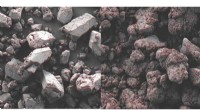
* C Horizon: This layer consists of partially weathered bedrock, with little organic matter or biological activity. It's the transition zone between the soil and the underlying parent material.
* R Horizon: This is the bedrock, the unweathered parent material from which the soil has formed.
The "horizon layer" is not a single layer itself but refers to the whole system of layers that make up the soil profile.
It's important to note that not all soils have all of these horizons, and the order and characteristics of the horizons can vary widely depending on factors like climate, vegetation, and parent material.
If you're referring to something else with the term "horizon layer", please provide more context or information so I can better understand your query.