1. Distance and Evolution:
* Distance: The vast distances in space mean that even relatively nearby stars can be too faint for us to see with the naked eye. As stars age and evolve, they become less luminous, making them harder to detect.
* Evolution: Stars go through life cycles, evolving from bright, hot stars to cooler, dimmer ones. As they age, they may become red giants or white dwarfs, drastically changing their brightness and color.
2. Obscuration:
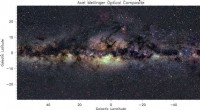
* Interstellar Dust: Clouds of dust and gas in space can block our view of distant stars, making them appear fainter or even invisible.
* Atmospheric Conditions: Earth's atmosphere can also scatter starlight, making it difficult to see faint stars.
3. Stellar Death:
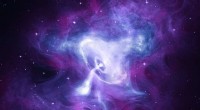
* Supernova: Massive stars end their lives in spectacular supernova explosions, which can outshine entire galaxies for a brief time. After the explosion, the star's core collapses, forming a neutron star or a black hole.
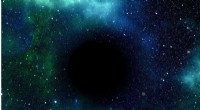
* Black Holes: Black holes are incredibly dense objects with such strong gravity that even light cannot escape their pull. If a star falls into a black hole, it would appear to disappear from view.
4. Our Perspective:
* Earth's Rotation: As the Earth rotates, different stars become visible and hidden due to our changing perspective. This is why we see constellations shift throughout the night.
Important Note: While some stars might seem to disappear from our view, they still exist. It's just that our technology and understanding of the universe are constantly evolving, allowing us to detect and study stars that were previously hidden from us.