1. Mercury
* Characteristics: Smallest planet, rocky, cratered surface, very thin atmosphere, extreme temperature swings (daytime ~430°C, nighttime ~-170°C), no moons
* Significance: Closest to the Sun, rapid orbital speed, evidence of ancient volcanic activity, potential for resources like water ice in permanently shadowed craters
2. Venus
* Characteristics: Earth-sized, thick atmosphere of carbon dioxide, extremely hot surface (average ~464°C), high atmospheric pressure, rotates slowly and in the opposite direction of Earth
* Significance: Earth's "twin" in size, incredibly hot greenhouse effect, offers insights into potential climate change scenarios, possible early life in the past
3. Earth
* Characteristics: Only known planet with liquid water on its surface, diverse atmosphere, active geology, supports life, single moon
* Significance: Our home planet, unique combination of factors allowing for life, home to a vast diversity of life, a subject of ongoing research
4. Mars
* Characteristics: Thin atmosphere, rusty red surface (iron oxides), signs of past liquid water, polar ice caps, two moons
* Significance: Potential for past or present microbial life, considered a prime target for human exploration, possible resource for future space settlements
5. Jupiter
* Characteristics: Largest planet, gas giant, mostly hydrogen and helium, Great Red Spot (massive storm), many moons (over 75), faint rings
* Significance: Largest planet in our solar system, plays a key role in protecting inner planets from asteroid impacts, home to unique moons like Europa and Ganymede
6. Saturn
* Characteristics: Gas giant, mostly hydrogen and helium, prominent ring system, many moons (over 80), lower density than water
* Significance: Iconic ring system, unique moons like Titan (with a dense atmosphere and potential for life), provides insights into planetary formation
7. Uranus
* Characteristics: Ice giant, mostly hydrogen and helium, tilted axis of rotation (almost 90 degrees), faint rings, many moons (over 27)
* Significance: Unique tilt, possible internal heat source, may hold clues to the formation of outer planets
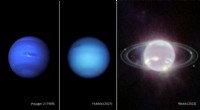
8. Neptune
* Characteristics: Ice giant, mostly hydrogen and helium, strong winds, faint rings, many moons (over 14), cold and dark
* Significance: Most distant planet, strong magnetic field, offers insights into the outer solar system and planetary evolution
Significance of the Planets
The planets in our solar system hold immense scientific significance. Studying them helps us understand:
* The formation and evolution of our solar system.
* The potential for life beyond Earth.
* The physics and chemistry of the universe.
* The potential for resources and future space exploration.
These planets are not just distant objects in the sky, but they are windows into the vast and complex universe we live in. Each planet offers unique clues about our place in the cosmos and the endless possibilities that exist beyond our own world.