* Light Source: The Sun is a giant ball of hot gas that produces its own light. Shadows are formed when an object blocks light from a source.
* Size and Distance: The Sun is incredibly large and far away. Any object that could potentially cast a shadow from the Sun would have to be massive and incredibly far away, like another star.
What about the Earth's shadow?
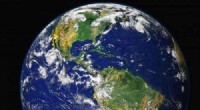
The Earth does cast a shadow, known as the umbra, which is the darkest part of the shadow. This is why we experience eclipses:
* Solar Eclipse: During a solar eclipse, the Moon passes between the Sun and Earth, casting its shadow on Earth.
* Lunar Eclipse: During a lunar eclipse, the Earth passes between the Sun and Moon, casting Earth's shadow on the Moon.
So, the Sun doesn't have a shadow in the typical sense, but the Earth's shadow can be seen in the form of eclipses.