1. Impact: A large asteroid or comet collides with the surface of Mars, releasing a tremendous amount of energy.
2. Ejection: The force of the impact blasts rock and debris from the Martian surface into space, some of which escapes Mars' gravity.
3. Solar System Journey: These fragments travel through the solar system, orbiting the Sun.
4. Earth Encounter: Over time, some of these Martian rock fragments intersect Earth's orbit and enter the atmosphere as meteors.
5. Landing: If the fragments are large enough, they can survive the fiery descent and land on Earth as meteorites.
How We Know They're From Mars:
* Composition: Martian meteorites have a unique chemical and isotopic composition that differs from Earth rocks. They also contain gases trapped inside that match the Martian atmosphere.
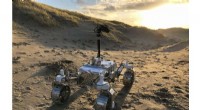
* Mineral Analysis: Scientists analyze the minerals in Martian meteorites and compare them to the Martian soil and rocks studied by rovers and probes.
Significance:
* Understanding Mars: Studying Martian meteorites provides invaluable insights into the composition, geology, and ancient environment of Mars.
* Evidence of Past Life: Some Martian meteorites have shown potential evidence of past microbial life, although this remains controversial.
Famous Martian Meteorites:
* ALH84001: Found in Antarctica, this meteorite sparked intense debate about the possibility of past life on Mars.
* Shergotty: This meteorite, along with other similar ones, belongs to a group called the "SNC meteorites" which are considered strong evidence for their Martian origin.
Overall, meteorites from Mars are fascinating reminders that the solar system is a dynamic place with objects constantly moving and interacting. They provide a unique opportunity to study another planet without needing to travel there ourselves.