* Rotation: The Earth spins on its axis, completing one full rotation roughly every 24 hours. This rotation is what causes day and night. As the Earth rotates, different parts of the planet face the sun. When your location faces the sun, it's daytime; when it faces away from the sun, it's nighttime.
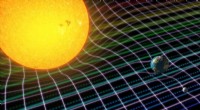
* Revolution: The Earth also orbits the sun in a path called an ellipse. This journey takes approximately 365.25 days. The Earth's tilt on its axis (about 23.5 degrees) combined with its revolution around the sun is what causes the seasons. During summer, the Earth is tilted towards the sun, meaning that the sun appears higher in the sky for longer periods and the days are longer. During winter, the Earth is tilted away from the sun, resulting in shorter days and the sun appearing lower in the sky.
In summary:
* The Earth's rotation causes the sun to appear and disappear in the sky over a 24-hour period.
* The Earth's revolution and tilt cause the sun to appear at different angles and for different durations throughout the year, resulting in the seasons.
Therefore, the sun's presence in the sky is a result of our planet's constant motion and its relationship with the sun.