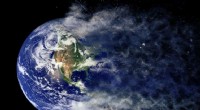
* Dust storms vary in intensity: Just like on Earth, dust storms on Mars can range from small, localized events to planet-encircling behemoths. The wind speed will vary greatly depending on the storm's size and strength.
* Limited direct measurements: While we have rovers and orbiters studying Mars, directly measuring wind speeds during the most intense dust storms is difficult. Most measurements come from instruments like the Mars Reconnaissance Orbiter's (MRO) Mars Climate Sounder, which provides atmospheric data but not always localized, high-resolution wind speeds.
* Complex atmospheric dynamics: The Martian atmosphere is thin and cold, with distinct patterns of atmospheric circulation. This makes predicting and measuring wind speeds during dust storms even more complex.
What we do know:
* Dust storms require wind: Dust storms on Mars are caused by winds lifting and transporting dust particles.
* Wind speeds can be very high: During major dust storms, winds can reach speeds of over 100 kilometers per hour (62 mph), and even higher in localized gusts.
* Global dust storms are rare: While smaller dust storms are common, planet-encircling events happen only every few years, lasting for weeks or months.
So, while we don't have a single answer, we know that the wind speeds during dust storms on Mars are powerful and capable of creating significant changes in the Martian atmosphere.