1. Weather Satellites:
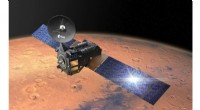
* Geostationary Satellites: These orbit Earth at the same speed as the planet's rotation, providing constant views of a specific region. They capture images of cloud formations, allowing scientists to observe storm development, movement, and intensity.
* Polar-Orbiting Satellites: These circle the Earth from pole to pole, providing a wider coverage area. They collect data about temperature, moisture, and wind patterns, which are essential for understanding storm dynamics.
2. Doppler Radar:
* Ground-based Radar: This system emits radio waves that bounce off precipitation, providing information about rainfall intensity, storm movement, and even the presence of tornadoes.
* Aircraft-based Radar: Planes equipped with radar can fly through storms to collect detailed data about internal structures and wind patterns.
3. Weather Balloons:
* These unmanned balloons carry instruments that measure atmospheric conditions like temperature, pressure, humidity, and wind speed.
* The data collected from weather balloons helps scientists create vertical profiles of the atmosphere, providing insights into storm formation and development.
4. Automated Weather Stations:
* Ground-based stations equipped with sensors measure various weather elements like temperature, humidity, wind speed, and precipitation.
* This data helps to provide a real-time picture of weather conditions at specific locations, contributing to storm tracking and forecasting.
5. Numerical Weather Prediction (NWP) Models:
* These sophisticated computer programs combine data from various sources, including satellites, radar, and weather balloons, to create complex simulations of atmospheric conditions.
* NWP models help predict storm trajectories, intensity, and potential impacts, providing valuable information for forecasting and warning systems.
6. Lightning Detection Networks:
* Specialized sensors detect lightning strikes, providing real-time information about storm activity and helping to pinpoint areas of intense thunderstorms.
7. Buoys and Oceanographic Sensors:
* These instruments deployed in the ocean measure factors like water temperature, salinity, and wave height. This data is crucial for understanding how storms interact with the ocean and for forecasting storm surges and coastal flooding.
8. Drones and Unmanned Aerial Vehicles (UAVs):
* Drones equipped with sensors can fly through storms to collect detailed data about wind patterns, precipitation, and storm structure. They offer a cost-effective and adaptable way to gather real-time information.
These technologies work together to paint a comprehensive picture of storm systems, allowing scientists to monitor their development, predict their paths, and issue timely warnings to help people stay safe.