Moon observations encompass a wide range of activities, from simple naked-eye gazing to complex scientific studies. They allow us to learn about:
1. The Moon's Physical Properties:
* Surface Features: Observing craters, mountains, maria (dark plains), and other surface features helps us understand the Moon's geological history, impact events, and volcanic activity.
* Lunar Phases: Tracking the changing phases of the Moon provides insights into its orbital motion around Earth and the interplay of light and shadow.
* Brightness and Color: Variations in the Moon's brightness and color can indicate changes in surface composition or even the presence of thin atmospheres.
2. The Moon's Influence on Earth:
* Tides: Observing tidal patterns reveals the Moon's gravitational pull on Earth's oceans, influencing coastal ecosystems and human activities.
* Climate: While less prominent, the Moon's gravitational influence contributes to Earth's climate system, affecting weather patterns and long-term cycles.
3. Astronomy and Space Exploration:
* Stargazing: The Moon's phases offer opportunities to observe fainter celestial objects, as its light doesn't interfere as much during the new moon phase.
* Lunar Eclipses: Observing lunar eclipses provides valuable information about the Earth's atmosphere and composition, as well as the Moon's surface reflectivity.
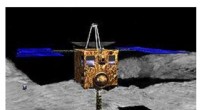
* Spacecraft Missions: Observing the Moon from Earth supports ongoing missions to the lunar surface, aiding in navigation and target selection.
Types of Moon Observations:
* Visual: This involves observing the Moon with the naked eye or binoculars, noting its shape, features, and brightness.
* Telescopic: Using telescopes provides a magnified view, allowing for more detailed observations of surface features, craters, and other lunar phenomena.
* Photographic: Capturing images of the Moon helps record its appearance, document changes over time, and facilitate scientific analysis.
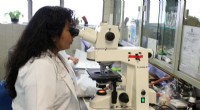
* Scientific: Researchers use instruments like spectrometers, interferometers, and radar to study the Moon's composition, atmosphere, and magnetic field.
Who Makes Moon Observations?
* Amateur Astronomers: Enthusiasts who enjoy observing the Moon as a hobby, contributing to citizen science projects and sharing their observations with others.
* Professional Astronomers: Scientists who use telescopes and other instruments to conduct research on the Moon's formation, geology, and potential resources.
* Space Agencies: Organizations like NASA and ESA utilize telescopes and spacecraft to study the Moon and plan future missions.
By observing the Moon, we gain deeper understanding of our celestial neighbor and its role in our solar system. This knowledge helps us appreciate the universe's beauty and complexity while inspiring future exploration.