1. Absence of Atmospheric Distortion:
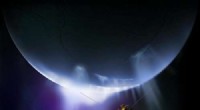
* Earth's atmosphere acts like a blurry lens, scattering and absorbing light, making astronomical observations difficult. The ISS orbits above the vast majority of this atmosphere, resulting in sharper images and better resolution.
2. Darker Skies:
* Light pollution from cities and artificial sources hinders astronomical observations from Earth. The ISS, orbiting above the atmosphere, enjoys significantly darker skies, allowing for the detection of fainter objects.
3. Continuous Observation:
* Earth-based observatories are limited by daylight and weather conditions. The ISS orbits the Earth continuously, providing uninterrupted access to the cosmos and enabling extended observations.
4. Unique vantage point:
* The ISS's orbit provides a unique perspective for studying the Earth, the Moon, and other celestial objects. This includes the ability to observe the Earth's atmosphere and climate from a global perspective, providing valuable data for research.
5. Zero Gravity:
* The microgravity environment of the ISS allows for the development and deployment of instruments that are not possible on Earth. This includes large, sensitive telescopes that are not affected by gravity's pull.
6. Technological Advancements:
* The ISS carries cutting-edge instruments and telescopes, enabling advanced research and data collection that wouldn't be feasible from Earth.
In summary, the ISS offers a combination of advantages that make it a superior platform for astronomical observations. The lack of atmospheric distortion, darker skies, continuous observation, unique vantage point, and advanced technology allow astronomers to see deeper into space and collect data that is not possible from Earth.