1. Solar Wind and Charged Particles:
* The sun constantly emits a stream of charged particles called the solar wind.
* These particles, mainly protons and electrons, travel through space at high speeds.
2. Earth's Magnetic Field:
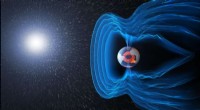
* Earth has a magnetic field that acts as a shield, protecting us from the harmful effects of the solar wind.
* However, some of the charged particles from the solar wind can get trapped in Earth's magnetic field.
3. Interaction with Atmosphere:
* When these charged particles enter the Earth's atmosphere, they collide with atoms of oxygen and nitrogen.
* These collisions excite the atoms, causing them to release energy in the form of light.
4. Colors and Shapes:
* The color of the aurora depends on the type of gas atom involved and the energy level of the collision.
* Oxygen produces green and red colors, while nitrogen emits blue and purple.
* The dancing, flowing patterns of the aurora are caused by the Earth's magnetic field and the movement of the charged particles.
5. Location and Visibility:
* The aurora is most commonly seen near the Earth's magnetic poles, in regions known as the auroral ovals.
* This is why it's called the Northern Lights (Aurora Borealis) and Southern Lights (Aurora Australis).
* The best time to see the aurora is during periods of high solar activity, often during solar storms.
In Summary:
The Aurora is a beautiful display of light caused by the interaction of charged particles from the sun with Earth's atmosphere, creating vibrant and dynamic patterns in the sky.