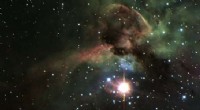
1. Above the Atmosphere: The Earth's atmosphere is a major source of distortion for ground-based telescopes. It's constantly moving, causing the starlight to twinkle and blur. Hubble orbits above the atmosphere, eliminating this blurring effect and allowing for much sharper images.
2. No Light Pollution: Ground-based telescopes have to contend with light pollution from cities and other sources. This artificial light can overwhelm faint astronomical objects. Hubble, being in space, is far removed from any light pollution, making it ideal for observing faint objects.
3. Adaptive Optics: While Hubble doesn't use adaptive optics, ground-based telescopes have started employing this technology. Adaptive optics uses mirrors that can deform in real-time to compensate for atmospheric distortions, improving image quality. This technology is catching up to Hubble's capabilities in some cases.
4. Larger Primary Mirror: Hubble has a 2.4-meter primary mirror, which is larger than many ground-based telescopes. A larger mirror can gather more light, resulting in brighter and more detailed images.
5. Precision Instruments: Hubble is equipped with specialized scientific instruments designed for high-resolution imaging, spectroscopy, and other astronomical observations. These instruments are carefully calibrated and maintained to deliver optimal performance.
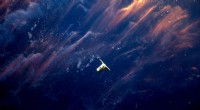
6. Regular Servicing: Hubble has been serviced multiple times by astronauts, allowing for upgrades, repairs, and instrument replacements. This ensures its continued operation and keeps its image quality high.
However, it's important to note:
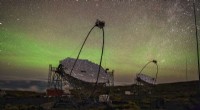
* Ground-based telescopes are still crucial for astronomy, and some are now equipped with adaptive optics, making them competitive with Hubble.
* Larger ground-based telescopes are being built, such as the Extremely Large Telescope (ELT), which will be larger than Hubble and may eventually surpass its capabilities.
While Hubble is a remarkable achievement, the future of ground-based telescopes is promising, and the race for the clearest images continues.