Solar System:
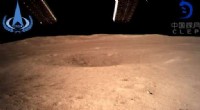
* Moon: You'll see stunning detail on the lunar surface, including craters, mountains, and maria.
* Planets:
* Mars: Observe polar caps and surface features when Mars is close to Earth.
* Jupiter: You can see the Great Red Spot and its four largest moons (Io, Europa, Ganymede, and Callisto).
* Saturn: Enjoy the rings and its largest moon, Titan.
* Venus: You'll see its phases, like those of the moon.
* Mercury: Catch a glimpse of this elusive planet when it's at its brightest.
Deep Sky Objects:
* Bright Star Clusters: See the beautiful swarms of stars in the Pleiades (M45), the Hyades, and others.
* Globular Clusters: These tight, round balls of stars like M13 in Hercules are a breathtaking sight.
* Nebulae: You can observe the Orion Nebula (M42) and other bright nebulae, but they will appear as fuzzy patches of light.
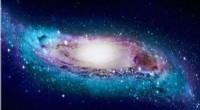
* Galaxies: You can catch a glimpse of the Andromeda Galaxy (M31) and other nearby galaxies.
Key Points to Remember:
* Location: Dark skies away from city lights are crucial for seeing fainter objects.
* Magnification: Don't expect to see the same detail you see in photographs.
* Patience: Learning to use a telescope and finding your way around the night sky takes time and practice.
Additional Tips:
* Use a star chart or astronomy app to locate objects in the sky.
* Invest in good quality eyepieces to maximize your viewing experience.
* Join an astronomy club for tips, stargazing events, and inspiration.
Enjoy exploring the universe with your 70mm telescope!