Common Elements:
* Hydrogen (H): The most abundant element in the universe, hydrogen is a major component of the atmospheres of gas giants like Jupiter and Saturn.
* Helium (He): The second most abundant element, helium is also found in large quantities in the atmospheres of gas giants.
* Oxygen (O): While less abundant than hydrogen and helium, oxygen is crucial for life and plays a role in the atmospheres of planets like Earth and Mars.
* Carbon (C): Carbon is a vital component of many organic molecules and is present in the atmospheres of planets with active geological processes.
* Nitrogen (N): Nitrogen is the most abundant gas in Earth's atmosphere and is also found in small amounts in the atmospheres of other planets.
Common Compounds:
* Water Vapor (H2O): A key ingredient for life, water vapor is present in varying amounts in the atmospheres of Earth, Mars, and Venus.
* Carbon Dioxide (CO2): A greenhouse gas, carbon dioxide is a major component of the atmospheres of Venus and Mars.
* Methane (CH4): A powerful greenhouse gas, methane is found in the atmospheres of Jupiter, Saturn, Uranus, Neptune, and Titan (Saturn's moon).
* Ammonia (NH3): A volatile compound, ammonia is present in the atmospheres of Jupiter, Saturn, Uranus, and Neptune.
* Sulphur Dioxide (SO2): Found in the atmospheres of Venus and Io (Jupiter's moon), sulfur dioxide is a volcanic gas.
Example Atmospheres:
* Earth: Nitrogen (78%), Oxygen (21%), Argon (0.9%), carbon dioxide, water vapor, methane, etc.
* Venus: Carbon dioxide (96.5%), nitrogen (3.5%), sulfur dioxide, water vapor, etc.
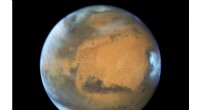
* Mars: Carbon dioxide (95%), nitrogen (2.7%), argon (1.6%), oxygen, water vapor, methane, etc.
* Jupiter: Hydrogen (89.8%), helium (10%), methane, ammonia, water vapor, etc.
Note: The composition of a planet's atmosphere can change over time due to various factors, such as volcanic eruptions, meteor impacts, and solar wind.
Understanding the composition of planetary atmospheres is crucial for studying their formation, evolution, and potential for supporting life. It also helps us understand the broader context of our solar system and the universe.