1. Reflectivity:
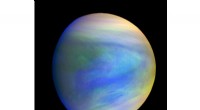
* Venus: Venus is the brightest planet because it's shrouded in thick, highly reflective clouds of sulfuric acid. These clouds reflect a large percentage of sunlight back into space, making it appear very bright.
* Jupiter: While not as reflective as Venus, Jupiter still has a significant atmosphere composed of ammonia and water ice crystals that reflect sunlight effectively. Its sheer size also contributes to its brightness.
2. Distance from the Sun:
* Venus: Venus is closer to the Sun than Earth, meaning it receives more sunlight and reflects a larger amount back towards us.
* Jupiter: While farther from the Sun than Earth, Jupiter's large size and reflective atmosphere still make it appear bright.
3. Distance from Earth:
* Venus: While its proximity to the Sun makes it reflective, Venus also orbits closer to Earth than any other planet. This means it appears larger in our sky and therefore brighter.
* Jupiter: Jupiter is farther from Earth than Venus, but its sheer size and reflective atmosphere still make it a prominent object in the night sky.
4. Opposition:
When a planet is in opposition, it is on the opposite side of the Earth from the Sun. This means it's closest to Earth, making it appear brighter. This occurs periodically for both Jupiter and Venus, but particularly noticeable for Jupiter.
5. Phase:
Like the Moon, Venus goes through phases, similar to a waxing and waning crescent. It is brightest when it's a crescent phase, as more of its illuminated surface is facing Earth.
In summary: The combination of high reflectivity, proximity to the Sun and Earth, and occasional close approaches make both Jupiter and Venus appear exceptionally bright in our night sky.