Similarities:
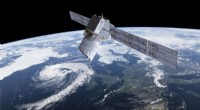
* Orbit: Both the ISS and other satellites orbit Earth in a predictable path.
* Visibility: Both can be seen as bright points of light moving across the sky.
* Speed: Both appear to move relatively quickly across the sky due to their high orbital velocity.
Differences:
* Brightness: The ISS is significantly brighter than most other satellites because of its large size and reflective surfaces. It can appear as bright as Venus or even brighter.
* Duration of visibility: The ISS is visible for longer periods than most satellites, often for several minutes at a time. This is because it orbits at a lower altitude than many other satellites, making it appear larger in the sky.
* Orbit: While most satellites orbit at a higher altitude and inclination, the ISS has a relatively low inclination (51.6 degrees) and a lower altitude (about 400 km). This means it is visible from a wider range of locations on Earth, and its path across the sky varies more depending on your location.
In summary: The ISS is a large, bright object that appears to move across the sky in a similar way to other satellites, but it's much brighter and visible for longer periods due to its lower orbit and large size.
You can find websites and apps that track the ISS's position and provide predictions of when and where it will be visible from your location.