The Sun:
* (WARNING: NEVER look directly at the sun through a telescope without a proper solar filter. It can cause permanent eye damage.)
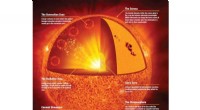
* With a solar filter: You can observe sunspots, solar flares, and other features on the sun's surface.
* Projected image: You can project the sun's image onto a white card to safely observe its features.
The Moon:
* The moon is visible during the day, especially when it's near its full phase.
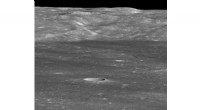
* You can see craters, mountains, and other lunar features.
Planets:
* Venus, Mars, Jupiter, and Saturn can all be visible during the day, especially when they are at their brightest.
* You might even be able to see some of their moons or features like Saturn's rings.
Stars:
* The brightest stars, like Sirius, can be seen during the day in clear conditions.
* Telescopes can help to make these stars easier to see.
Other Objects:
* Bright clusters of stars: Some star clusters, like the Pleiades, are bright enough to be seen during the day.
* Bright nebulae: Some nebulae, like the Orion Nebula, are also visible during the day.
Tips for Daytime Telescope Viewing:
* Use a good quality telescope. Larger telescopes will gather more light and make it easier to see objects during the day.
* Find a location with clear skies. Avoid viewing in hazy or cloudy conditions.
* Use a finder scope. A finder scope will help you to point your telescope at the correct object.
* Be patient. It may take some time to find the object you are looking for, especially if it is faint.
Remember: Always be aware of your surroundings and take precautions to avoid injury when observing the sun or other bright objects.