How Solar Panels Work:
* Sunlight to Electricity: Solar panels are made of photovoltaic (PV) cells that convert sunlight into electricity.
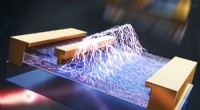
* Photons and Electrons: When sunlight (photons) hits the PV cells, they knock electrons loose from their atoms. These free electrons flow through the panel, creating an electric current.
Cloudy Days:
* Reduced Sunlight: Clouds block a significant portion of sunlight from reaching the solar panels.
* Diffuse Light: Even with clouds, some sunlight still reaches the earth, but it's scattered or diffuse. This light is weaker and less direct, leading to lower electricity generation.
* Angle of Incidence: The angle at which sunlight hits the panel also affects efficiency. Cloudy days often have more diffuse light coming from various angles, which can reduce efficiency.
Factors Affecting Output:
* Cloud Thickness: Thick, dark clouds will block more light than thin, wispy clouds.
* Cloud Type: Different cloud types scatter light differently.
* Time of Day: Sunlight intensity varies throughout the day.
* Panel Angle: The tilt of the solar panel can affect how much direct sunlight it receives.
In Summary:
While solar panels don't work as well in cloudy conditions, they still produce some electricity. The amount of electricity generated will depend on factors like cloud thickness, cloud type, and the time of day.
Note: Modern solar panels are designed to perform better in diffuse light than older models. However, the output will still be significantly lower compared to a sunny day.