1. Energy and Life:
* Photosynthesis: The Sun's energy powers photosynthesis, the process by which plants convert sunlight into chemical energy. This energy fuels nearly all life on Earth.
* Climate: The Sun's energy warms the Earth, creating a habitable temperature range for life. It also drives weather patterns, ocean currents, and the water cycle.
* Food Chains: Plants, powered by the Sun, form the base of most food chains. Animals eat plants, and larger animals eat smaller animals, all relying on the Sun's energy.
2. The Earth's Cycles:
* Seasons: The Earth's tilt causes different parts of the planet to receive varying amounts of sunlight throughout the year, creating the seasons.
* Water Cycle: The Sun's heat evaporates water from oceans and lakes, leading to clouds, precipitation, and the flow of rivers.
3. Earth's Atmosphere:
* Ozone Layer: The Sun's ultraviolet (UV) radiation helps create and maintain the ozone layer, which protects life from harmful UV rays.
* Auroras: The interaction of the Sun's charged particles with the Earth's magnetic field creates the beautiful aurora borealis (northern lights) and aurora australis (southern lights).
4. Human Activities:
* Renewable Energy: Solar energy is a clean and renewable source of power, becoming increasingly important as we transition away from fossil fuels.
* Agriculture: The Sun's energy is crucial for agriculture, allowing crops to grow and providing the necessary conditions for livestock to thrive.
5. Potential Negative Impacts:
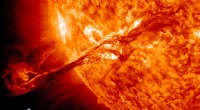
* Solar Storms: Powerful eruptions from the Sun can disrupt communication systems, power grids, and satellites.
* Climate Change: While the Sun's energy is essential, the increase in greenhouse gases due to human activity is trapping more of that energy, leading to global warming.
In Summary: The Sun is a powerful force, both beneficial and potentially destructive. Its energy sustains life on Earth, drives its cycles, and influences human activities. Understanding the Sun's impact is crucial for managing our planet and its future.