Atmosphere:
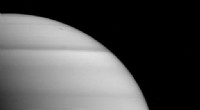
* Cloud Layers: Jupiter's visible surface is actually a complex system of swirling clouds. These clouds are made up of different materials at various altitudes, creating bands of different colors. The most prominent are the "zones" (lighter, warmer regions) and "belts" (darker, cooler regions).
* Great Red Spot: This iconic storm is a giant anticyclone, larger than Earth, that has been raging for centuries. Its red color is thought to be caused by trace amounts of phosphorus or sulfur compounds.
* Storms and Turbulence: Jupiter's atmosphere is constantly in motion, with powerful winds and massive storms. The planet's rapid rotation (around 10 hours) contributes to these turbulent conditions.
Internal Structure:
* Metallic Hydrogen: Under the immense pressure deep within Jupiter, hydrogen becomes a metallic liquid. This acts as a conductor, creating a magnetic field many times stronger than Earth's.
* Rocky Core: Scientists believe Jupiter may have a solid core at its center, possibly composed of rock and ice. This core is likely much smaller than the gas giant itself.
Key Features:
* Absence of Solid Surface: Unlike Earth, Jupiter doesn't have a solid surface to walk on. If you tried to land on Jupiter, you would sink into its thick atmosphere.
* Dynamic Atmosphere: Jupiter's atmosphere is constantly changing, with new storms and features appearing and disappearing.
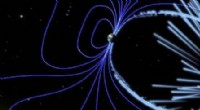
* Magnetic Field: Jupiter's magnetic field is incredibly strong and stretches far into space, creating a magnetosphere that traps charged particles from the sun.
Exploration:
* Spacecraft Visits: Multiple spacecraft have visited Jupiter, including the Pioneer and Voyager probes, the Galileo mission, and the Juno spacecraft. These missions have provided valuable data about the planet's atmosphere, magnetic field, and internal structure.
In conclusion, Jupiter's "terrain" is best described as a dynamic and complex atmosphere with swirling clouds, powerful storms, and a vast, turbulent interior. Unlike rocky planets, it lacks a solid surface, making it a truly alien and fascinating world.