1. It is in orbit around the Sun. This means it's gravitationally bound to the Sun and orbits it.
2. It has sufficient mass for its self-gravity to overcome rigid body forces so that it assumes a hydrostatic equilibrium (nearly round) shape. This means that the planet's gravity pulls it into a nearly spherical shape, overcoming its own rigidity.
3. It has cleared the neighborhood around its orbit. This means the planet is the dominant gravitational influence in its orbital region, and has either absorbed, ejected, or captured any other bodies that were nearby.
This definition is often referred to as the "Pluto-killing" definition, because it reclassified Pluto as a "dwarf planet" since it does not meet the third criterion (it shares its orbital space with many other objects in the Kuiper Belt).
Here's a quick breakdown:
* Planet: Meets all three criteria.
* Dwarf planet: Meets criteria 1 and 2, but not 3.
* Other objects: Don't meet any of the criteria. This could include asteroids, comets, moons, etc.
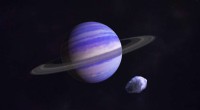
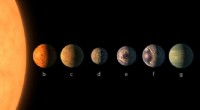
Note: The IAU definition is specifically for planets within our solar system. For exoplanets (planets orbiting other stars), these criteria may not always be applicable. There are still ongoing discussions about how to classify exoplanets.