Life itself:
* Photosynthesis: Plants and algae use sunlight to convert carbon dioxide and water into food (sugars) and oxygen. This process forms the basis of most food chains on Earth.
* Weather and Climate: The sun's energy drives weather patterns like wind, rain, and ocean currents. It also influences Earth's long-term climate.
* Water Cycle: The sun's heat evaporates water from oceans and lakes, which then forms clouds and eventually falls as rain or snow.
* Energy for Ecosystems: The sun provides the energy that drives all life on Earth, from the smallest bacteria to the largest whales.
Beyond life:
* Solar Power: We use the sun's energy to generate electricity through solar panels.
* Vitamin D Production: Our bodies use sunlight to produce vitamin D, essential for bone health and immune function.
* Day and Night: The Earth's rotation and the sun's position cause the cycle of day and night.
* The Seasons: The Earth's tilt and its orbit around the sun cause the seasons.
* Navigation: Humans and animals have used the sun for navigation for centuries.
* Artificial Light: While not strictly relying on the sun, artificial light technologies like lamps and LEDs were inspired by the sun.
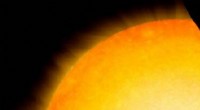
In essence, the sun is a vital force that shapes our planet and all life on it.