* Low light pollution: This is the biggest factor! City lights drown out the faint glow of distant stars.
* Clear skies: Clouds block out the view.
* Dark skies: Even if you're far from city lights, moonlight can still wash out the fainter stars. A new moon or no moon at all is ideal.
Here are some specific examples:
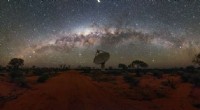
* Remote areas: Deserts, mountains, and national parks far from major cities often have the darkest skies.
* Observatories: These are built in remote locations with minimal light pollution and clear skies.
* Stargazing tours: Many tour companies offer stargazing trips to remote locations.
Here are some tips for finding great stargazing spots:
* Use a stargazing app: Apps like Stellarium or SkySafari can help you find the best spots and identify constellations.
* Check online resources: Websites like DarkSiteFinder.com map areas with low light pollution.
* Talk to local astronomy clubs: They often have recommendations for the best places to see stars in your area.
Remember, the best stargazing spots are often the ones that are the darkest and most remote!