* Seismic waves and ground vibrations: The launch of a Saturn V, especially the massive vibrations from its engines, would create seismic waves that travel through the earth. These waves would be detectable by seismographs.
* Distance depends on several factors:
* Strength of the vibrations: The strength of the seismic waves would depend on the size of the rocket and the power of its engines.
* Geology of the area: The type of rock and soil beneath the seismograph affects how easily seismic waves travel and how far they can be detected.
* Sensitivity of the seismograph: The sensitivity of the seismograph plays a key role. A sensitive seismograph could detect weaker vibrations from farther away.
* Real-world examples: There are documented instances of seismographs detecting large rocket launches, but the distances varied significantly depending on the factors mentioned above.
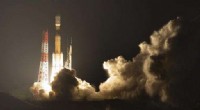
* Apollo 11: Seismographs in the US, as well as those in Europe and South America, detected the launch of Apollo 11. This was due to the massive size of the Saturn V and its powerful engines.
In conclusion: There's no single "miles away" answer. The distance a seismograph could pick up a Saturn V launch depends heavily on the specific conditions.