1. Dimness:
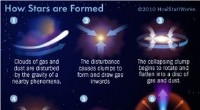
* No Sun-like Brilliance: Brown dwarfs are "failed stars" – they don't have enough mass to sustain nuclear fusion like our Sun. This means they emit significantly less light and heat.
* Faint Glow: The "sun" in the sky would be a very dim, reddish-orange or even infrared object. You likely wouldn't see it as a distinct "sun" but rather as a faint, slightly warmer area in the sky.
2. Coldness:
* Frozen World: Without a strong solar radiation source, Earth would be extremely cold, likely permanently frozen.
* Possible Geothermal Heat: If Earth had active geothermal vents, there might be localized areas with warmer temperatures, but overall, the planet would be a harsh, icy wasteland.
3. Color:
* Reddish Hues: The faint light from the brown dwarf would give the sky a reddish hue.
* Infrared Light: Since much of the light would be in the infrared spectrum, it would be invisible to human eyes.
4. Starry Night:
* Brilliant Stars: The night sky would be incredibly dark, but it would be adorned with a stunning display of stars. With no bright sunlight to interfere, the stars would appear much brighter and more numerous.
5. Aurora Borealis:
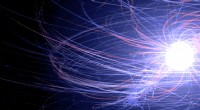
* Constant Aurora: The interaction between Earth's magnetic field and the brown dwarf's weak magnetic field could create a constant aurora borealis across the planet. It might not be as vibrant as the aurora we see today, but it would be a unique and beautiful sight.
In Summary:
The sky wouldn't have the bright, familiar blue of a sunny day. Instead, it would be a dim, reddish-orange hue, with a faint glow from the brown dwarf "sun." The nights would be incredibly dark, showcasing a spectacular starry sky. The most notable difference would be the extreme cold, making Earth a very different, and much harsher, place to live.