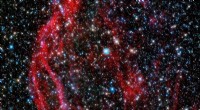
Galaxies:
* NGC 7331: A beautiful spiral galaxy similar in size and shape to our own Milky Way.
* NGC 7742: A face-on spiral galaxy with a bright nucleus.
* NGC 7479: A barred spiral galaxy with a prominent bar structure.
* Stephan's Quintet: A group of five galaxies interacting with each other, including a pair of colliding galaxies.
* M15 (NGC 7078): A globular cluster, a tightly packed group of stars, that is visible even with binoculars.
Other Deep Sky Objects:
* NGC 7448: A planetary nebula, a glowing cloud of gas ejected from a dying star.
* NGC 7317: A diffuse nebula, a large cloud of gas and dust.
* NGC 7232: A dwarf irregular galaxy, a small and irregular galaxy.
Tips for Observing Deep Sky Objects in Pegasus:
* Dark Skies: Find a location with minimal light pollution for optimal viewing.
* Binoculars or Telescope: While some objects are visible with binoculars, a telescope will reveal more detail.
* Star Charts: Use a star chart or astronomy app to help you locate the objects.
* Patience: Deep sky objects can be faint and require patience to observe.
Pegasus is a large constellation in the Northern Hemisphere, making it a great place to start your deep sky observing journey. Remember that the best time to observe these objects is during the autumn months when Pegasus is high in the sky.