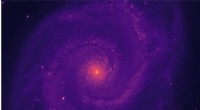
* Focus on the cosmos: Hubble is primarily designed to study distant celestial objects like galaxies, stars, and nebulae. It's not equipped or intended to observe Earth or its inhabitants.
* Vast distances: The objects Hubble observes are incredibly far away. Even the closest stars are light-years away, making it impossible for Hubble to capture images with any detail of Earth or its inhabitants.
* No individual identification: The images Hubble captures are of vast, cosmic landscapes, not individual people or properties. There's no possibility of identifying individuals or their activities.
However, some ethical considerations arise:
* Potential for misuse: While Hubble's primary purpose is scientific, the vast amount of data it collects could potentially be used for other purposes. This includes military applications or surveillance, although it's not the intended purpose of the telescope.
* Data access and control: The question of who has access to Hubble's data and how it's used is important. Ensuring transparency and ethical use of this valuable scientific information is crucial.
In conclusion:
The Hubble Telescope itself is not designed to invade privacy, and its focus on distant space makes it impossible to observe individuals on Earth. However, ethical considerations surrounding the potential for misuse and control of its data warrant continued discussion and responsible management.